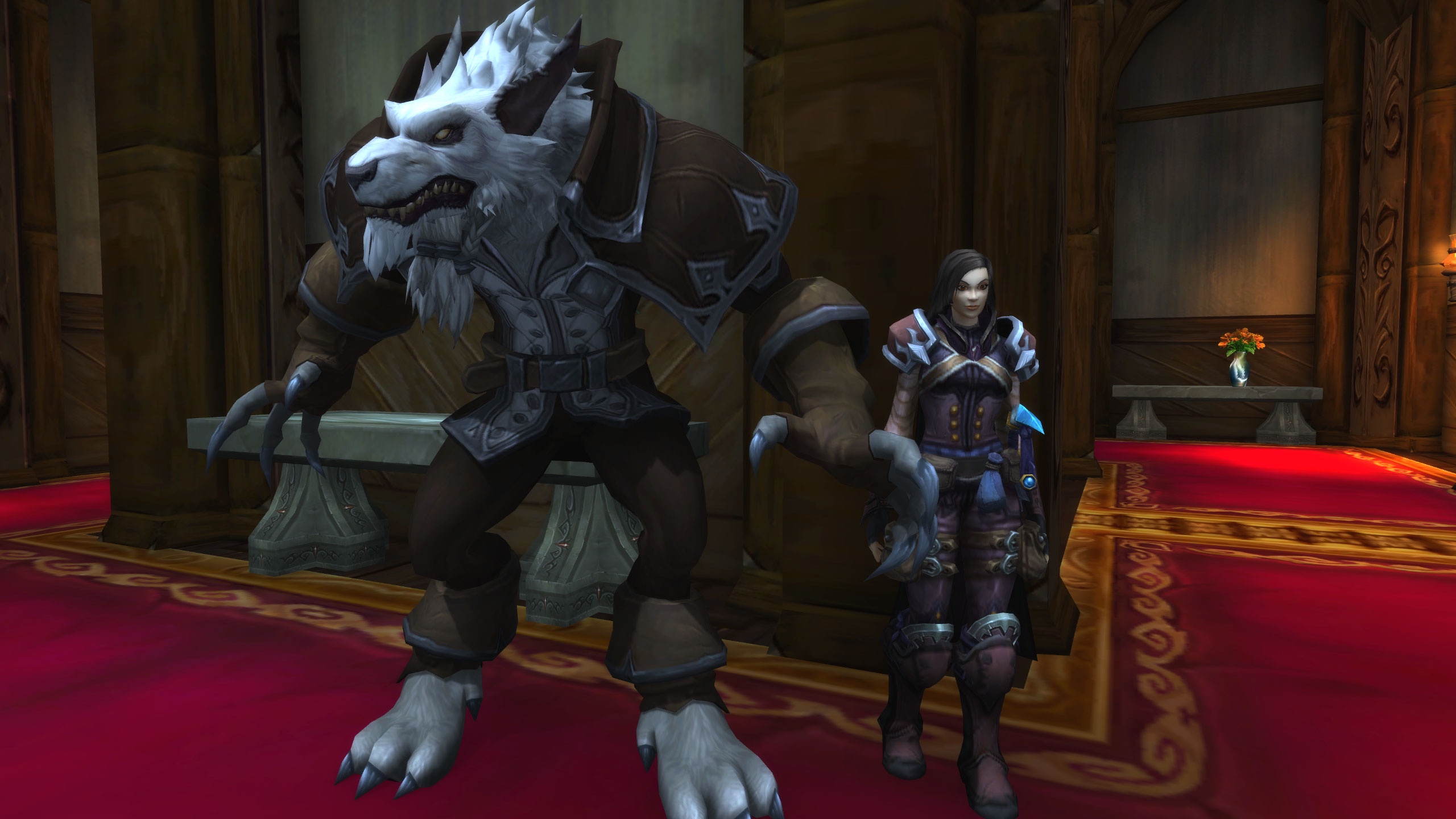
When the Horde and Alliance formed an uneasy truce to battle the Burning Legion during the invasion of Azeroth, it wasn’t just a pivotal moment in the world’s history; it was a testament to the complex diplomacy at play in this realm.
You’ve seen factions with long-standing enmity set aside their differences for a common goal, but you also know that alliances in Azeroth are as fragile as they are necessary. As you consider the shifting allegiances and political maneuvers that shape the landscape, you recognize that understanding these relationships is crucial for any leader or citizen hoping to navigate the treacherous waters of Azerothian politics.
But what happens when these bonds crumble under the weight of betrayal and war? Consider the implications of failed diplomacy, and you might begin to grasp the delicate balance that holds this world together—and what it could mean for its future should that balance ever tip.
Historical Context of Azeroth Alliances
Throughout Azeroth’s tumultuous history, shifting alliances have continually reshaped the geopolitical landscape of this war-torn world. You’ve seen the Kingdom of Stormwind, the bastion of human resilience, rise from the ashes, its capital city standing as a beacon of hope in the face of adversity. It’s there that the human kingdoms, fragmented by conflict and betrayal, found unity against common foes.

You’ve witnessed the relentless march of the Lich King, whose icy grip threatened all of Azeroth. In response, ancient prejudices were set aside as the Horde and Alliance, two factions perpetually at odds, were forced into an uneasy cooperation. You’ve been part of the councils of war, where orc chieftains and human commanders argued and strategized under the banners of their factions.
It wasn’t just about survival. It was a testament to the resilience and adaptability that you’ve championed. You’ve played an integral role in forging treaties, navigating the treacherous waters of wartime diplomacy to secure a future for the Horde and Alliance alike. Your efforts have demonstrated that even in the darkest of times, Azeroth’s inhabitants can unite to defend their home.
Key Players in Political Negotiations
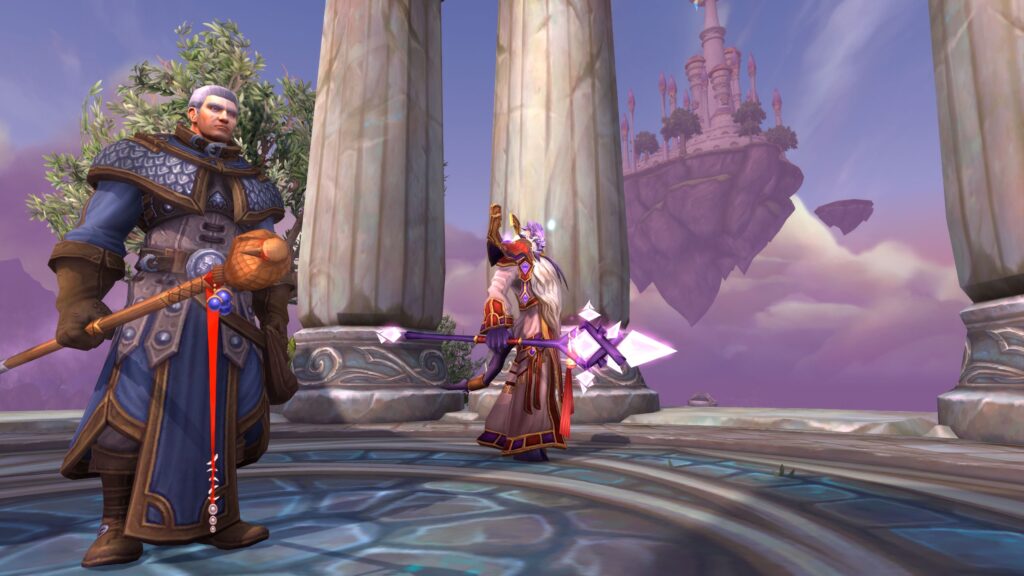
In the realm of Azeroth’s diplomacy, key figures from both the Horde and Alliance have played pivotal roles in steering the course of political negotiations. Varian Wrynn, the late King of Stormwind, was renowned for his leadership and fostered a period of relative stability between the factions. Now, his son, Anduin Wrynn, carries on his legacy, exemplifying diplomacy with a more pacifist and idealistic approach.
Genn Greymane, the King of Gilneas, has often been at Anduin’s side, providing counsel laced with the pragmatism that only comes from harsh experiences. His perspective is invaluable, especially in the wake of the conflicts that have shaken Azeroth to its core.
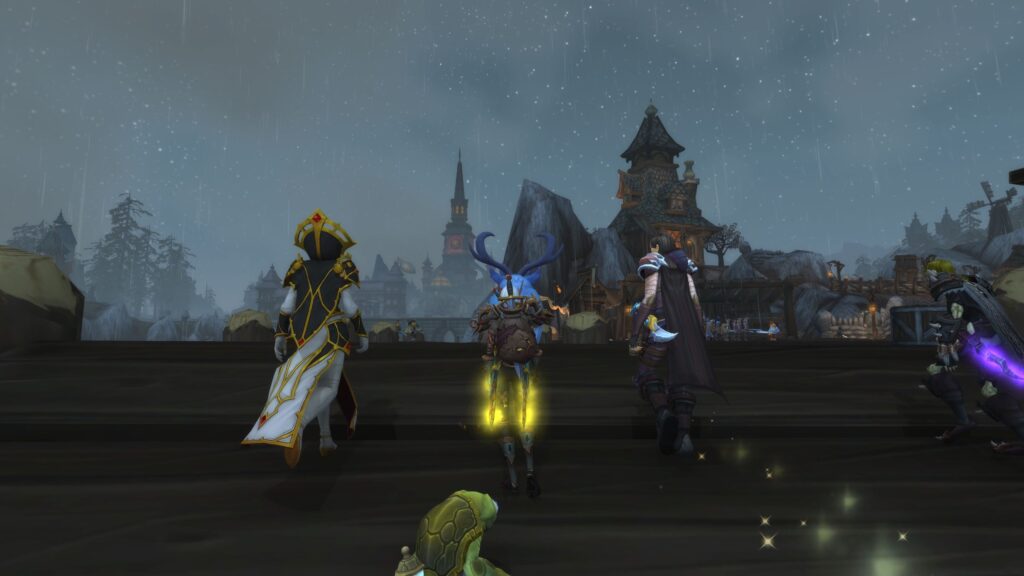
Then there’s Jaina Proudmoore, once a staunch advocate for peace and now a more complex figure, struggling with personal traumas that make her a wild card in political dealings. Her actions can sway the outcome of negotiations in unpredictable ways.
Lastly, Magni Bronzebeard, the former King of Ironforge, now serves as the speaker for Azeroth itself. Though not directly involved in political maneuverings, his insights into the planet’s well-being have a profound impact on the decisions made by leaders of both the Horde and Alliance.
Strategies for Successful Alliances
Forging alliances in Azeroth demands careful consideration of mutual interests and the establishment of trust between the Horde and Alliance. You’ve got to recognize that each faction, whether it’s the seafaring might of Kul Tiras or the regal power of Stormwind City, has its own ambitions and fears. When you’re aiming to bring together human nations with the ancient elven nation, it’s critical to highlight shared goals, be it defending Mount Hyjal from encroaching threats or combating a mutual enemy.
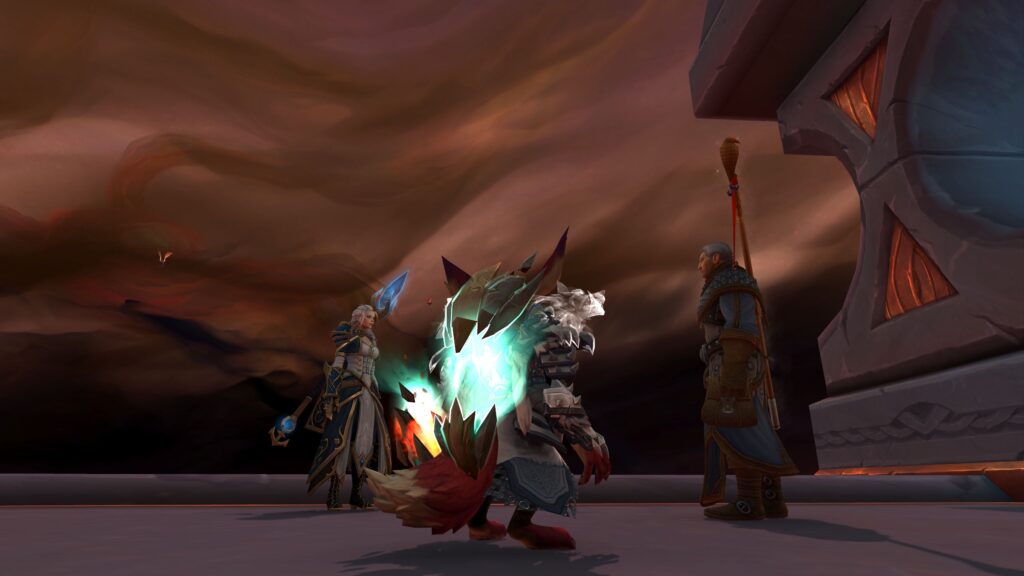
You’ve got to be a master communicator. Be transparent about your intentions and listen attentively to their needs and concerns. Remember, it’s not just about what you want; it’s about finding common ground. Whether you’re negotiating trade agreements with Kul Tiras or seeking military support from Stormwind City, ensure that all parties feel heard and valued.
Lastly, don’t forget the power of a good old-fashioned show of faith. Sometimes, actions speak louder than words. Aiding an ally in their hour of need without expecting immediate repayment can cement a bond stronger than the sturdiest armor. It’s all about trust. When the human nations and the elven nation see that you’re committed, they’re far more likely to stand with you through thick and thin.
The Impact of Alliance Breakdowns
When alliances in Azeroth falter, the repercussions ripple across both factions, often escalating into conflicts that can devastate entire regions. Imagine the southern kingdoms, once united under the banner of humanity, falling into disarray as treaties unravel and trust erodes. You’ve seen how the absence of Muradin Bronzebeard’s counsel in the court of Ironforge could lead to a withdrawal of dwarven support at a critical moment, leaving the Alliance’s flank exposed to Horde aggression.
Consider the strategic setback in Shadowmoon Valley, where an Alliance breakdown could result in the Horde making considerable gains. The loss of a single ally there might mean the difference between holding the line or ceding territory, with far-reaching consequences. Meanwhile, the Alliance’s current capital, Stormwind, teeters on the brink of chaos, its leaders acutely aware that a single failed alliance could compromise the city’s defenses.
You mustn’t overlook these alliance breakdowns—they’re not mere setbacks but pivotal events that can alter the course of Azeroth’s history. In the ever-turbulent political landscape of this world, alliances aren’t just agreements; they’re the bedrock upon which the safety and prosperity of entire civilizations rest.
Future Diplomacy and Peace Prospects
As Azeroth’s leaders navigate the treacherous waters of international relations, the quest for lasting peace hinges on their ability to forge new alliances and mend fractured ones. You’ve seen the fragile bonds that once held different factions together strain and sometimes shatter. Yet, there’s hope on the horizon.
The lush, expansive Elwynn Forest could become a symbol of this new era, a neutral ground for diplomacy where former enemies share mead and break bread.
Imagine delegates from the Horde and the Alliance meeting beneath the ancient oaks of Elwynn, their banners of war replaced by those of truce. You’ll be at the forefront, advocating for open communication and trust-building measures. It’s a delicate dance, and you’ll need to be both shrewd and empathetic, recognizing when to extend a hand or when to draw a line.
The future of Azeroth’s diplomacy isn’t just about preventing conflict; it’s about creating a shared vision. You’ll encourage cultural exchanges, joint ventures against common threats, and treaties that benefit all sides. Peace isn’t a distant dream—it’s a series of strategic steps that you’ll help orchestrate. With patience and perseverance, Azeroth’s nations can turn swords into plowshares, and Elwynn Forest might just be where it starts.
Conclusion
You might think Azeroth’s alliances are just fantasy, but they mirror our world’s diplomacy. Embrace the strategies and players that keep peace alive.
When alliances falter, chaos follows—don’t dismiss these lessons. The future hinges on honing these bonds.
So, stay engaged; Azeroth’s next chapter in diplomacy could inspire our own path to enduring peace. Keep your eyes open; the art of forging alliances is more than mere legend—it’s a blueprint for harmony.





Leave a Reply