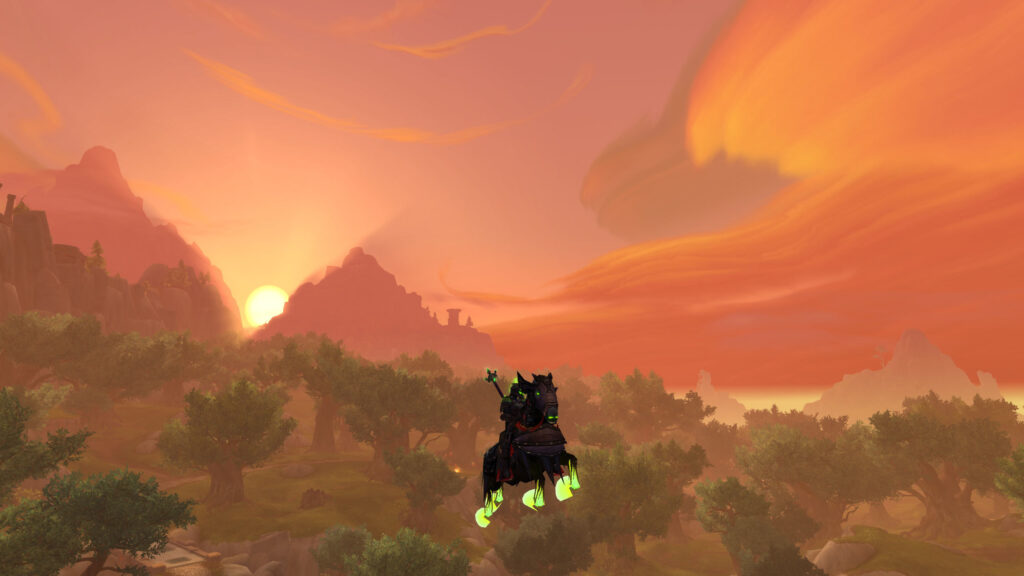
The launch of World of Warcraft in 2004 marked a pivotal moment in the MMORPG genre, but the initial manual presented a vision that diverged significantly from the final product. Players were introduced to a world filled with grand narratives, expansive lore, and a promise of immersive gameplay that would set a new standard. However, as players dove into Azeroth, it became evident that the realities of gameplay, mechanics, and community dynamics often contradicted the expectations set by the manual. Understanding these discrepancies provides insight into the evolution of WoW and the foundational elements that have influenced its enduring popularity.
Initial Expectations vs. Reality
The World of Warcraft Vanilla manual painted a picture of seamless exploration and a richly interconnected world, enticing players with the idea of grand quests and heroic adventures. However, upon release, many players encountered a more fragmented experience characterized by long travel times, limited quest markers, and a steep learning curve. The manual suggested that players would be able to easily group and form parties, yet the reality often involved lengthy waits in capital cities for players to assemble. This mismatch led to early frustrations and a myriad of community adaptations to enhance the grouping experience. While the game ultimately thrived, the initial disconnect between expectation and reality played a crucial role in shaping player engagement.
Class Balance and Gameplay Mechanics
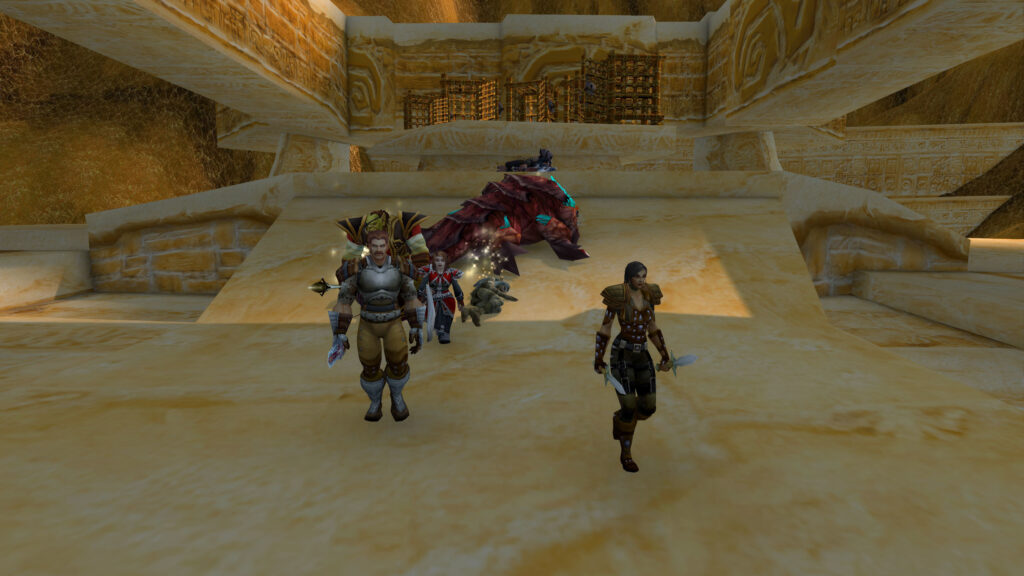
The manual promised a balanced roster of classes, each with unique abilities and roles in combat; however, the final version of World of Warcraft revealed significant imbalances. Certain classes, such as the Warrior, were initially viewed as the premier tank, but their effectiveness was often hindered by limited abilities to generate threat compared to later iterations. Players quickly learned the importance of managing aggro in dungeons and raids, leading to the infamous “tank and spank” meta. This discrepancy in class functionality forced Blizzard to make numerous adjustments post-launch, highlighting the challenges of balancing gameplay across diverse player preferences. The table below summarizes the major class roles and their perceived effectiveness during Vanilla gameplay.
| Class | Role | Effectiveness |
|---|---|---|
| Warrior | Tank | High, with limitations |
| Paladin | Support/Tank | Variable |
| Druid | Healer/Tank | Moderate |
| Mage | DPS | High |
The Role of Community and Social Dynamics
The manual emphasized the potential for players to forge lasting friendships and alliances in the expansive world of Azeroth. While this vision was realized, the experience was often marred by the realities of player interactions and group dynamics. Many players found themselves caught in toxic environments, leading to issues such as ninja looting and guild drama that were not foreseen in the promotional materials. Additionally, the lack of in-game tools for communication and group formation made it challenging to establish effective social networks. As a result, players developed their own strategies for collaboration, including the rise of external forums and Discord channels, which became essential for coordinating raids and events.
Questing and World Design
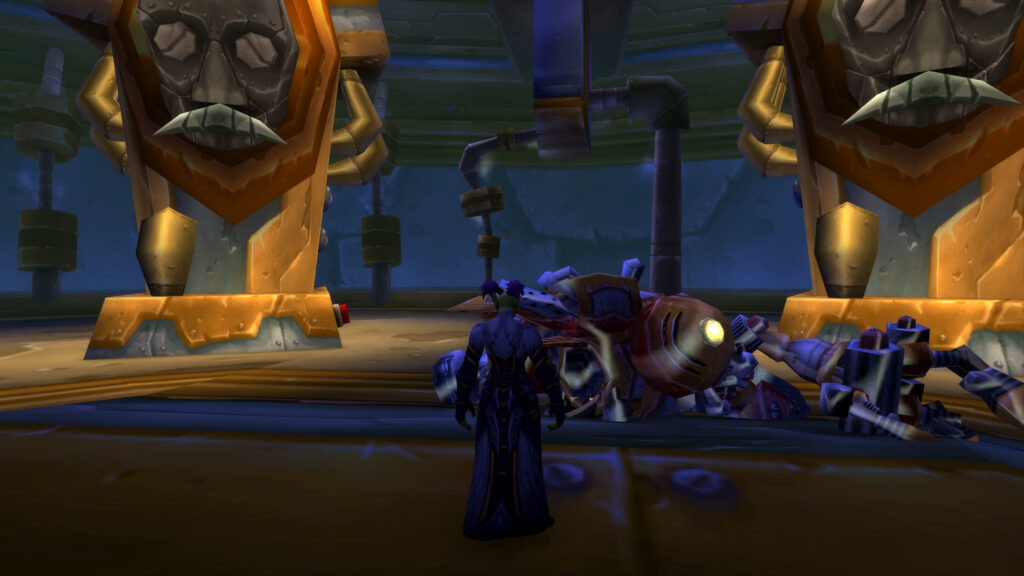
The questing experience outlined in the manual promised a diverse range of activities and rewards, yet many players found themselves repeatedly grinding the same quests to level up. The lack of quest markers and an intuitive user interface meant that players often relied on external resources, such as community guides and databases, to navigate the expansive world. As a result, the questing experience became less about exploration and more about efficiency. The introduction of quest addons like QuestHelper later remedied some of these issues, but the initial misalignment with player expectations highlighted the need for ongoing improvement in quest design and player guidance.
Conclusion: The Legacy of Misrepresentation
Ultimately, the misrepresentation found in the World of Warcraft Vanilla manual served as a catalyst for community-driven adaptation and improvement. The discrepancies between expectations and the actual gameplay experience prompted Blizzard to implement significant updates and expansions that would refine class balance, enhance questing mechanics, and promote more cohesive social interactions. Players learned to navigate the complexities of Azeroth, creating a rich tapestry of experiences that shaped the game into what it is today. The evolution of World of Warcraft remains a testament to the resilience of its community and the developers’ commitment to addressing the challenges that arose from the initial misalignment between vision and reality.
Leave a Reply