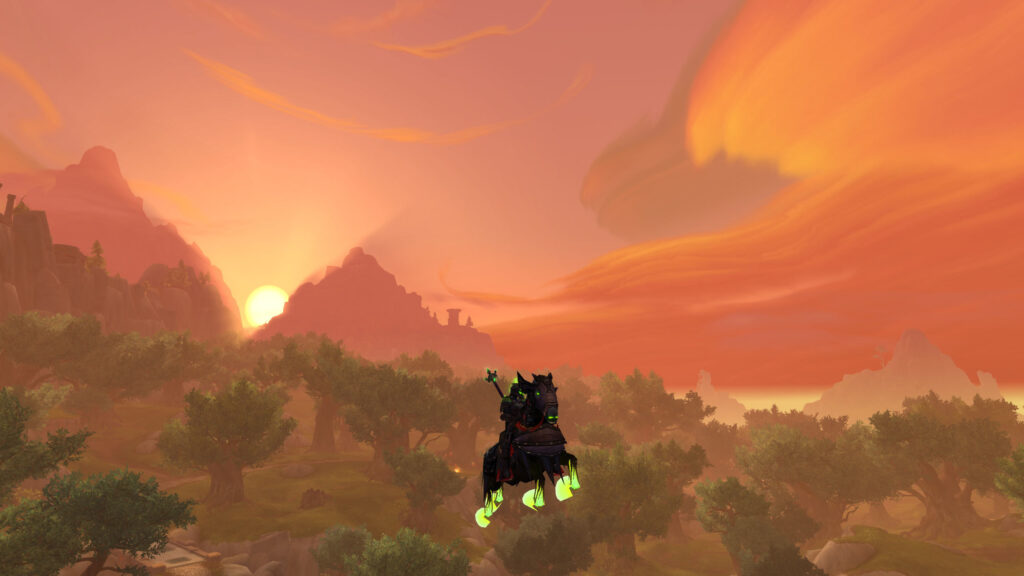
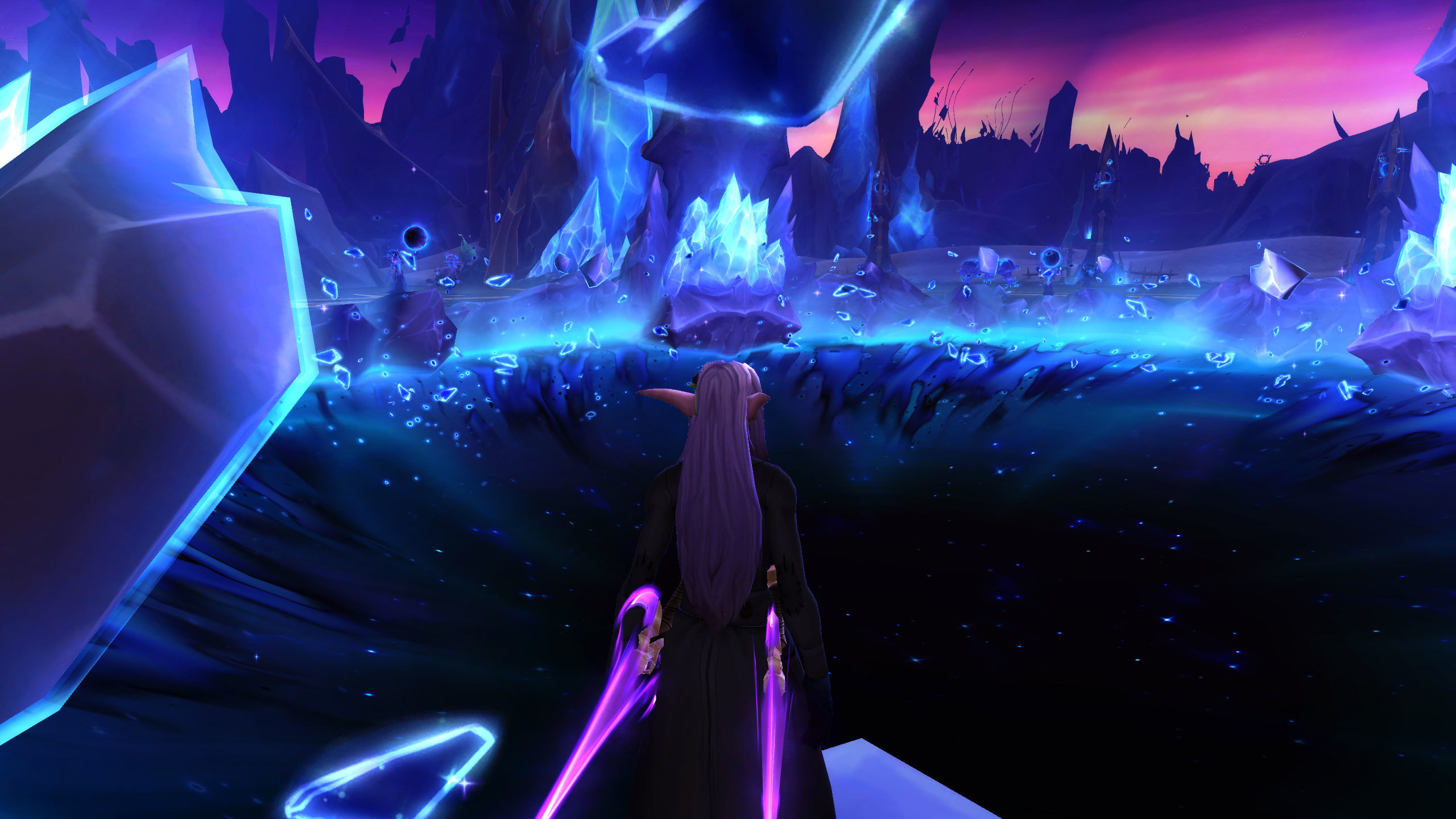
A guild’s atmosphere is a living, shifting entity, directly tied to the rhythm of raid progression. As a group moves from the excitement of a new tier to the grueling reality of mastering difficult encounters, the mood often follows a distinct arc. This guide explores the lifecycle of a raiding season, breaking down how the shared struggle of overcoming a boss impacts the social health of the guild, from the initial burst of ambition to the eventual calm of a cleared instance.
The Stages of the Raiding Cycle
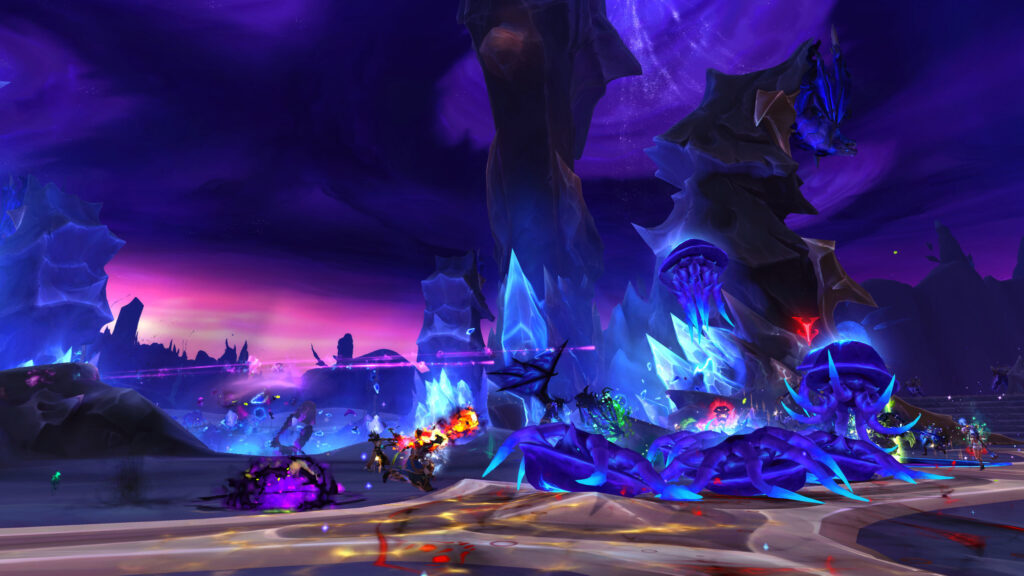
The season usually begins with high energy. Everyone is motivated by new mechanics and the promise of upgrades. During this phase, the guild mood is buoyant; mistakes are treated as learning opportunities, and the thrill of discovery keeps members logging in. However, as the guild hits the inevitable “progression wall,” the mood shifts. This is the period of intense focus where wipe counts climb. Success here depends on the guild’s ability to turn frustration into constructive feedback. If a group stays patient, this phase builds the strongest bonds, as the team learns to trust one another’s reliability under pressure.
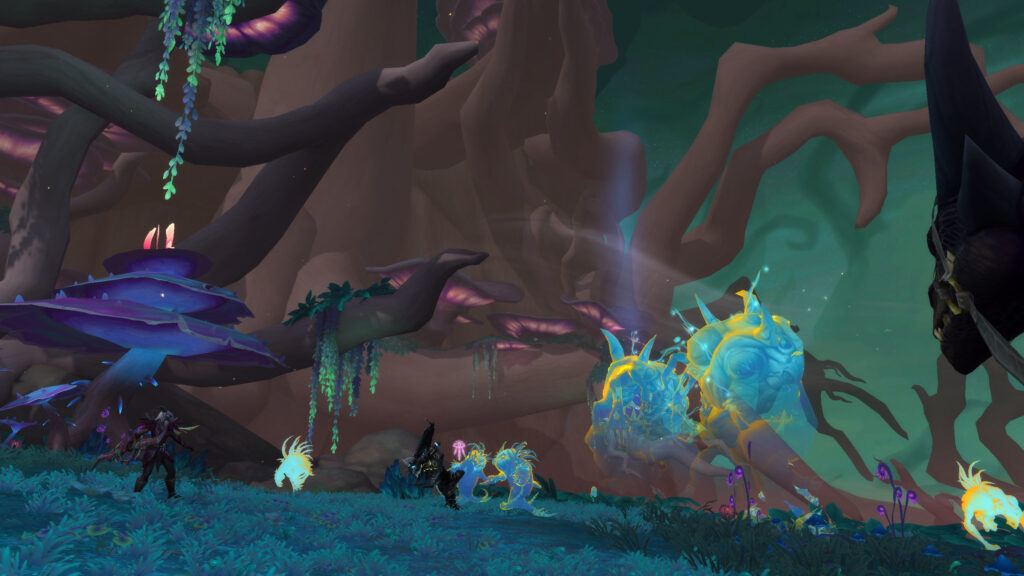
Once the final boss is defeated, the mood shifts again into a period of victory and eventual transition. The pressure evaporates, replaced by a sense of accomplishment and a relaxed social environment. This is when the “farm” phase begins, where the focus shifts from pure survival to speed-clearing. While the intensity drops, this is a critical time for the guild to reinforce its social identity. If the group can transition from the stress of progression to the camaraderie of farming, they are more likely to remain united for the next tier.
Guild Mood Dynamics
| Phase | Dominant Emotion | Social Goal |
|---|---|---|
| Launch | Ambition/Excitement | Build momentum and synergy. |
| Progression | Focus/Tension | Maintain patience and trust. |
| Mastery | Accomplishment/Relief | Celebrate success and strengthen bonds. |
| Farm | Stability/Contentment | Prepare for the next challenge. |
Turning Friction into Foundation
The most successful guilds are those that treat raid progression as a marathon, not a sprint. By acknowledging that tension is a natural part of hard content, leadership can keep the group focused. When players feel their growth is acknowledged—not just their performance—the guild becomes more than a raiding team; it becomes a community that persists even when the bosses are already dead. This social stability is what separates long-lived guilds from those that fall apart after one bad season.
The Legacy of the Shared Kill
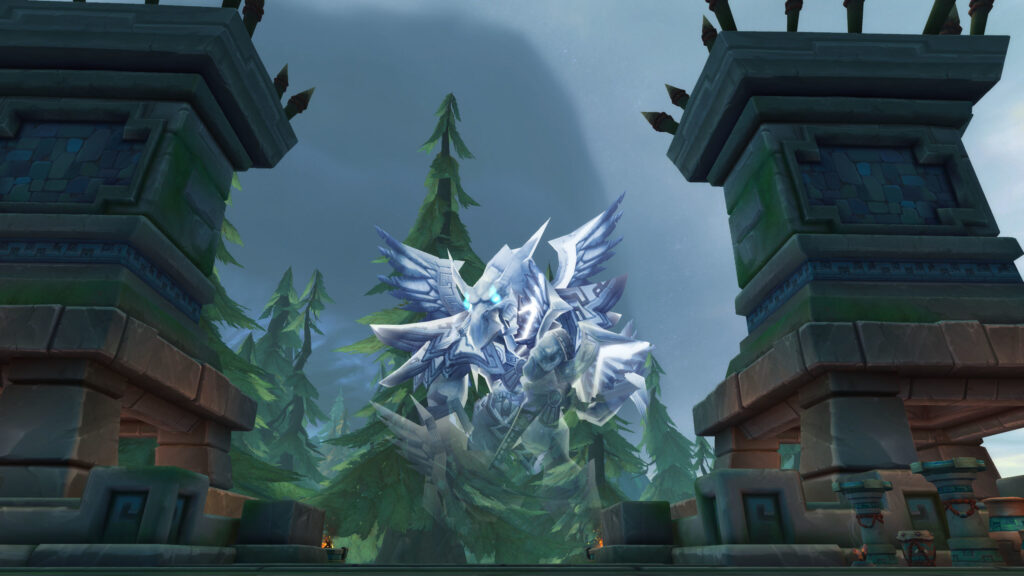
Every boss kill acts as a permanent addition to the guild’s history. These shared victories are the memories members reference years later. By framing raid progression as a narrative of collective success, guilds ensure that even the difficult weeks contribute to a deeper sense of belonging. The mood may fluctuate with the difficulty of the bosses, but the shared history of overcoming them is what keeps the guild together.
Leave a Reply